Newspapers are more than just sources of daily news; they are living archives of history, culture, and democracy. In the United States, some newspapers have been in print for centuries, surviving wars, political upheavals, and the digital revolution. These publications are not only important for their longevity but also for the role they played in shaping public opinion and documenting America’s journey from colonial times to the modern era. Let’s explore the top five oldest newspapers still in print today.
1. The New Hampshire Gazette (1756)
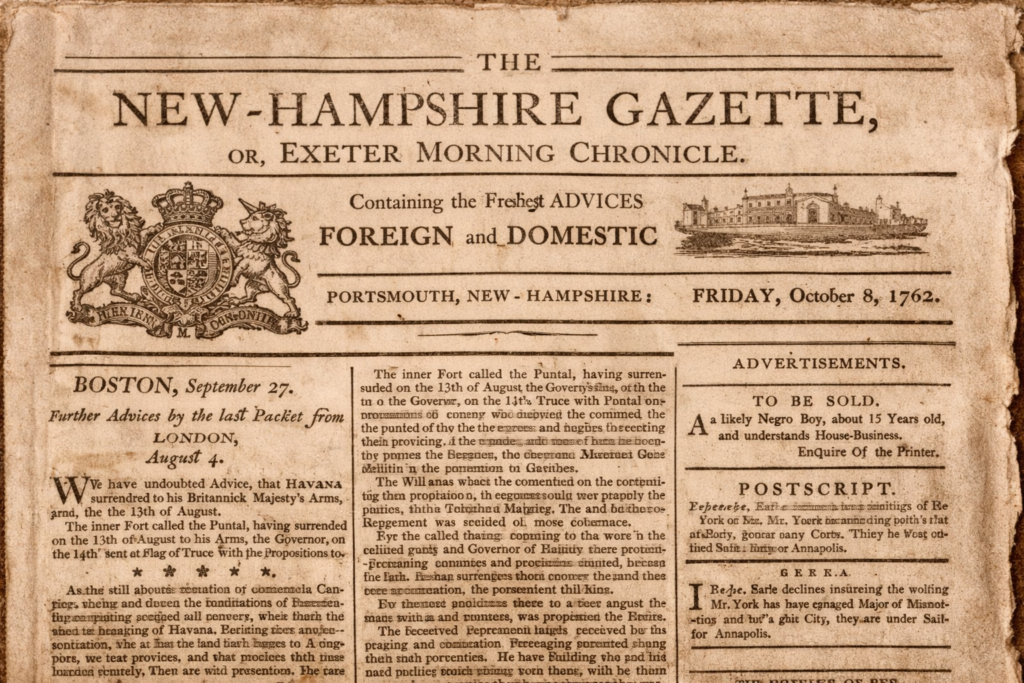
Founded in 1756 in Portsmouth, New Hampshire, the New Hampshire Gazette is often recognized as America’s oldest newspaper. Though its publication history includes interruptions, its legacy remains unmatched. During the colonial era, the Gazette was a vital platform for debates about independence and governance, offering readers insights into the growing tensions between the colonies and Britain. It played a significant role in covering Revolutionary War developments, giving voice to patriot sentiments. Today, the Gazette continues to publish, focusing on community issues and maintaining its identity as a local paper with deep historical roots. Its survival is a testament to the enduring value of journalism in even the smallest communities.
2. The Hartford Courant (1764)
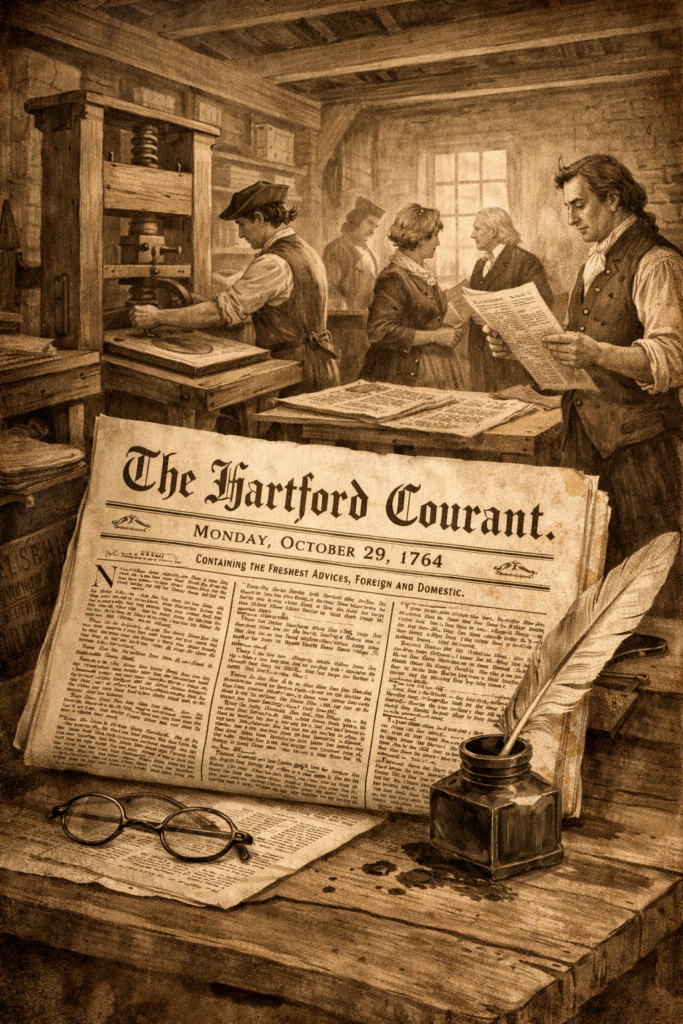
The Hartford Courant, founded in 1764, holds the distinction of being the oldest continuously published newspaper in the United States. Based in Hartford, Connecticut, it has been a witness to every major chapter of American history. During the Revolutionary War, the Courant was a strong supporter of independence, and later, it famously backed Abraham Lincoln’s presidential campaign. Over the centuries, it has chronicled wars, social movements, and cultural transformations, becoming a trusted voice for generations of readers. Even in the digital age, the Courant remains a respected publication, though it closed its Hartford newsroom in 2020. Its ability to adapt to changing times while preserving its historical significance makes it a cornerstone of American journalism.
3. The Augusta Chronicle (1785)

Established in 1785, the Augusta Chronicle is one of the South’s oldest newspapers. Based in Augusta, Georgia, it has documented the region’s evolution from colonial society through the Civil War and Reconstruction. The Chronicle was instrumental in reporting on the political and social upheavals of the South, offering perspectives on slavery, secession, and the rebuilding of the nation. Its archives provide invaluable insights into Southern history, making it a vital resource for historians and readers alike. Today, the Chronicle continues to serve its community, covering local and state news while embracing modern digital platforms. Its longevity reflects both its adaptability and its importance to the people of Georgia.
4. The Pittsburgh Post-Gazette (1786)
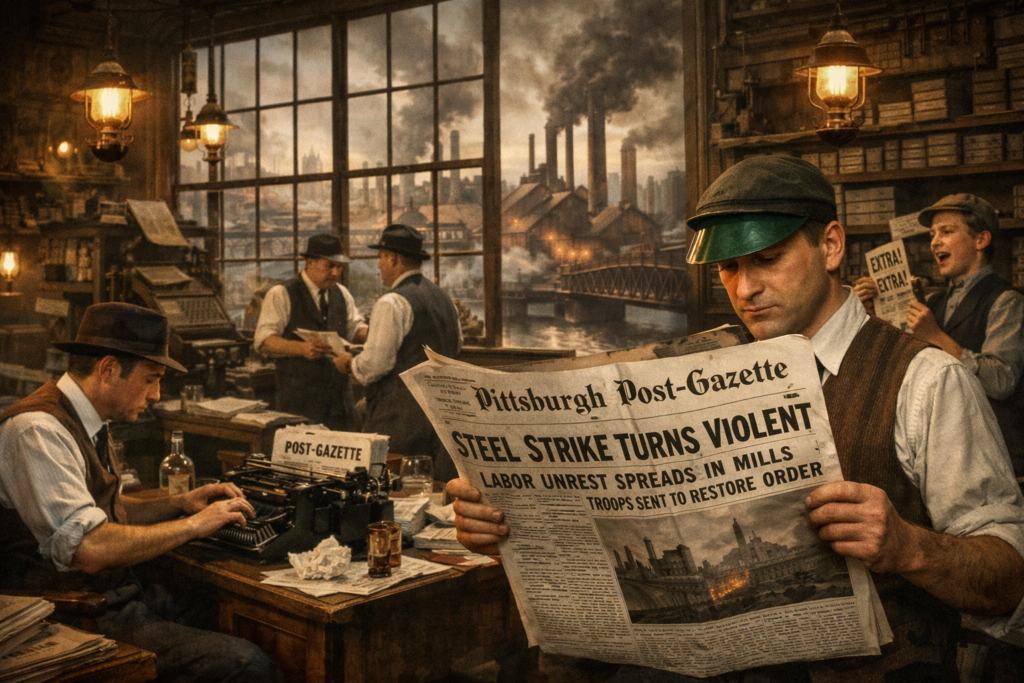
The Pittsburgh Post-Gazette, founded in 1786, grew alongside Pittsburgh’s rise as an industrial powerhouse. From the early days of westward expansion to the steel industry boom, the Post-Gazette chronicled the city’s transformation into a hub of labor, commerce, and innovation. It became known for its coverage of industrialization and labor movements, often highlighting the struggles and triumphs of working-class Americans. Over time, the paper expanded its reach, reporting on national and international events while maintaining its local identity. Today, the Post-Gazette remains Pittsburgh’s major daily newspaper, though it has shifted heavily toward digital publishing. Its endurance demonstrates the resilience of regional journalism in adapting to new media landscapes.
5. The Fayetteville Observer (1797)
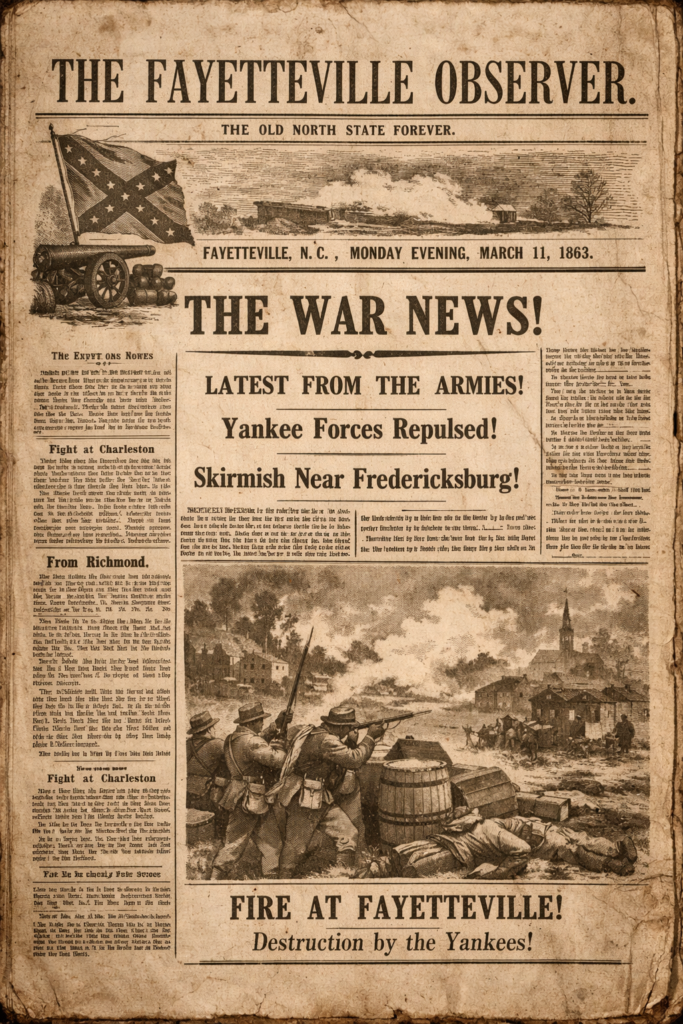
Founded in 1797, the Fayetteville Observer is the oldest newspaper in North Carolina and one of the oldest in the South. Its history is deeply intertwined with the Civil War, during which its offices were burned by Union troops. Despite this destruction, the Observer rebuilt and continued to serve its community, becoming a symbol of resilience. Over the years, it has reported on Reconstruction, civil rights struggles, and the modernization of the South. Today, the Observer remains in print, though it has merged formats to adapt to modern readership demands. Its survival through centuries of turmoil highlights the importance of local journalism in preserving community identity and history.
America’s oldest newspapers are more than relics; they are living institutions that continue to inform, educate, and inspire. From the New Hampshire Gazette to the Fayetteville Observer, these publications have weathered centuries of change, proving that journalism is as vital today as it was in the 18th century. Their stories remind us that newspapers are not just about headlines—they are about communities, history, and the enduring pursuit of truth.