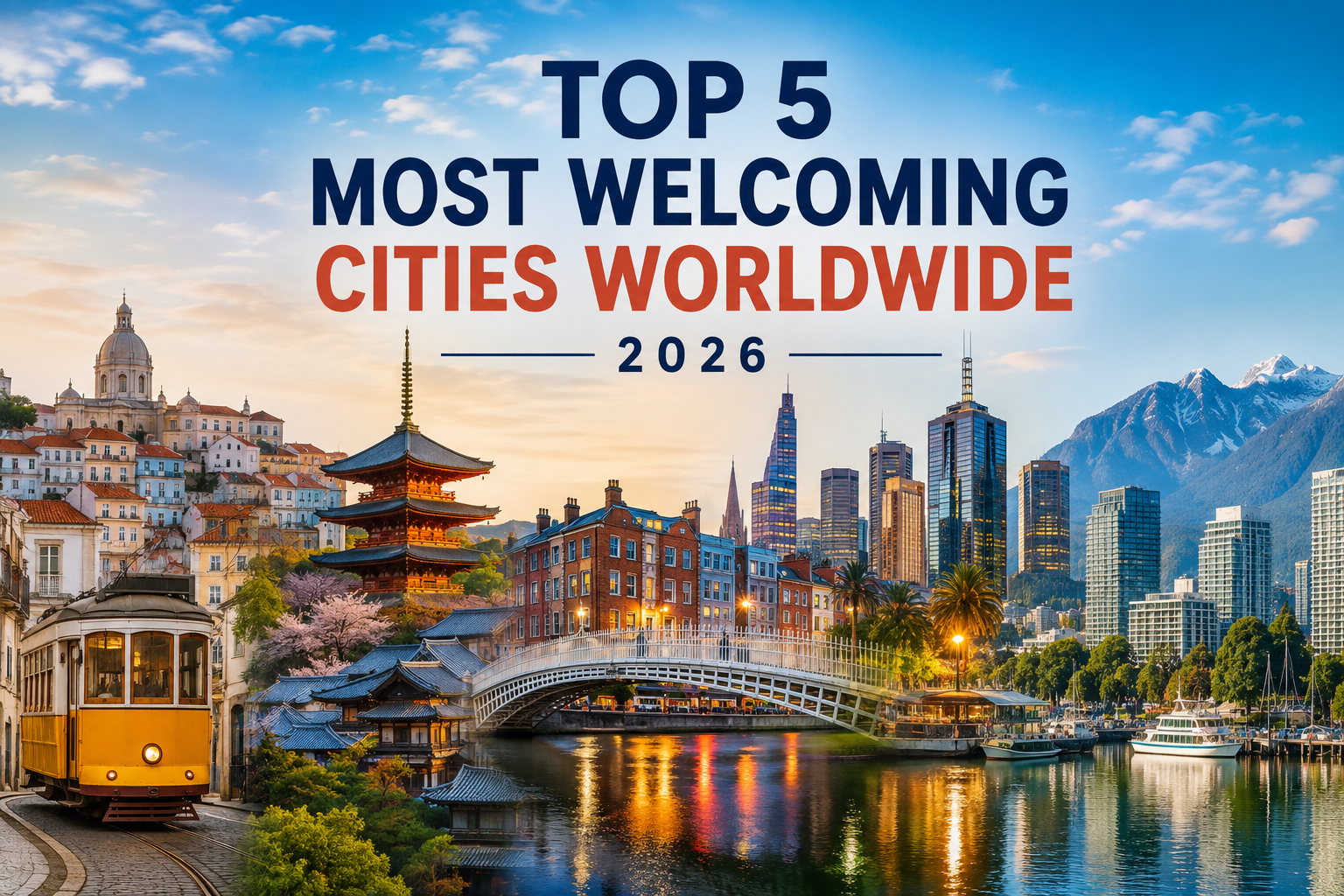
Traveling to a new city is about much more than visiting famous landmarks, trying local food, or taking beautiful photographs. One of the most important factors that can shape a travel experience is how welcome visitors feel when they arrive. A friendly smile from a local, helpful directions when you are lost, an easy-going atmosphere, accessible public transportation, and a genuine interest in visitors can turn an ordinary trip into an unforgettable experience. In 2026, travelers are increasingly looking beyond traditional tourist attractions and choosing destinations based on hospitality, safety, cultural openness, and the overall experience of interacting with local communities. Some cities stand out because they combine fascinating culture and history with a warm and welcoming atmosphere for international visitors. Based on these qualities, here are five cities that deserve attention as some of the most welcoming cities worldwide in 2026: Lisbon, Portugal; Kyoto, Japan; Dublin, Ireland; Melbourne, Australia; and Vancouver, Canada. Each offers a different type of hospitality, from relaxed European charm and traditional Japanese courtesy to lively neighborhoods, multicultural communities, and spectacular natural surroundings.
1. Lisbon, Portugal
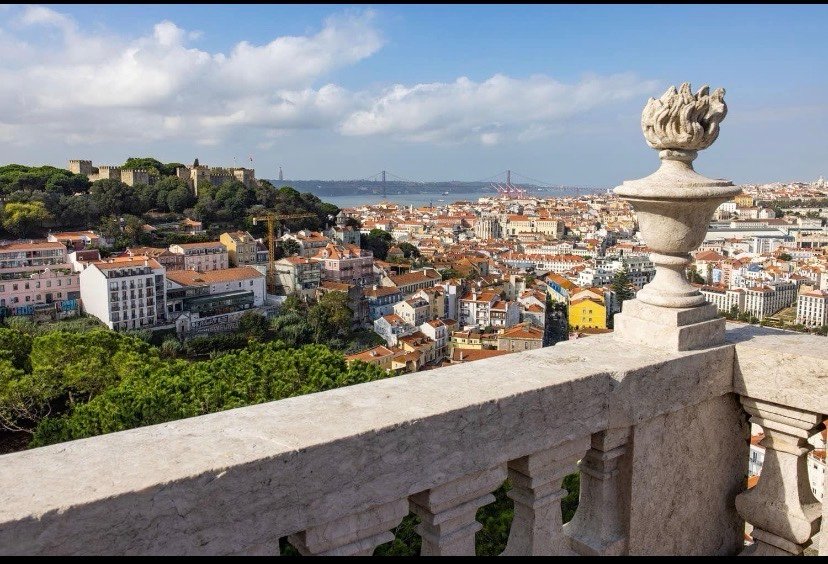
Lisbon is one of the most appealing destinations in Europe for travelers looking for a city that feels friendly, relaxed, and easy to explore. The capital of Portugal has developed a strong reputation among international visitors for its welcoming atmosphere, beautiful neighborhoods, historic architecture, and laid-back lifestyle. One of the first things visitors notice about Lisbon is the relaxed personality of the city. Instead of feeling overwhelmingly busy or formal, many parts of Lisbon have a neighborhood atmosphere where cafés, small restaurants, bakeries, shops, and public squares become natural meeting places. This creates an environment where travelers can experience everyday Portuguese life rather than simply moving between tourist attractions.
The city’s historic neighborhoods are another major reason Lisbon is so enjoyable for visitors. Areas such as Alfama are filled with narrow streets, colorful buildings, traditional balconies, tiled façades, and viewpoints overlooking the Tagus River. Walking through these neighborhoods can feel like exploring an open-air museum, but the area remains a living part of the city. Visitors can stop for coffee, taste traditional pastries, listen to Fado music, or simply sit in a small square and watch local life unfold. Lisbon’s famous yellow trams are also an iconic part of the city’s identity. Although popular with tourists, they remain an important part of the city’s transportation network and provide an entertaining way to explore its hills.
Food is another important part of Lisbon’s welcoming character. Portuguese cuisine is generally accessible to international visitors, with seafood, grilled dishes, soups, pastries, and regional specialties appearing throughout the city. Pastéis de nata, the famous Portuguese custard tart, are particularly popular with visitors. Lisbon’s restaurants range from traditional family-run establishments to modern international dining options, making the city suitable for travelers with different tastes and budgets. The café culture also encourages visitors to slow down and enjoy their surroundings.
Lisbon’s international character has grown significantly over the years, creating an environment where foreign visitors are common. English is widely understood in many tourist-oriented areas, making basic communication relatively easy for international travelers. At the same time, visitors who make an effort to use a few Portuguese greetings often receive a positive response. This combination of accessibility and authentic local culture makes Lisbon particularly attractive to first-time visitors to Europe.
Another reason Lisbon deserves a place among the world’s most welcoming cities in 2026 is its location. Travelers can enjoy the energy of a European capital while remaining close to beaches, coastal towns, and scenic areas. Day trips to places such as Sintra and Cascais are popular, giving visitors the opportunity to combine city sightseeing with nature and coastal experiences. Lisbon also has a strong evening culture, with restaurants, music venues, and social spaces staying active well into the night. For travelers who want a destination where history, food, culture, and friendly everyday interactions come together, Lisbon remains an excellent choice.
2. Kyoto, Japan
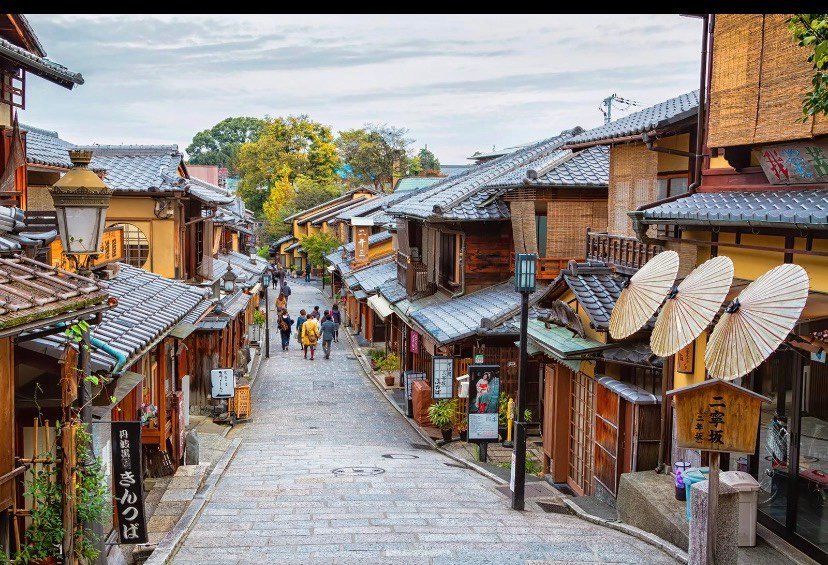
Kyoto offers a very different type of welcome. While Lisbon is known for its relaxed social atmosphere, Kyoto’s hospitality is strongly connected to Japanese traditions of respect, politeness, cleanliness, and thoughtful service. The former imperial capital of Japan is one of the country’s most culturally significant cities, and it offers visitors an opportunity to experience centuries-old traditions alongside modern Japanese life. For travelers interested in history and culture, Kyoto can be an extraordinary destination.
One of Kyoto’s most memorable qualities is the attention to detail found throughout the city. From restaurants and hotels to shops and public spaces, visitors frequently encounter an emphasis on courtesy and service. Japanese hospitality, often associated with the concept of “omotenashi,” focuses on anticipating the needs of guests and providing thoughtful service. This does not necessarily mean that every interaction will be highly conversational, but visitors often appreciate the professionalism, patience, and respect they experience.
Kyoto’s cultural attractions provide another reason the city is so welcoming to curious travelers. The city contains numerous temples, shrines, gardens, traditional neighborhoods, and historic sites. Places such as Fushimi Inari Shrine, Kiyomizu-dera, and the Gion district attract visitors from around the world. However, Kyoto’s appeal extends beyond famous attractions. Travelers can discover quiet gardens, small tea houses, traditional craft stores, local restaurants, and peaceful residential streets.
The city is particularly appealing to travelers who enjoy walking and exploring at a slower pace. Many areas can be explored on foot, allowing visitors to notice details that might otherwise be missed. Traditional wooden buildings, stone pathways, small gardens, and seasonal decorations contribute to the city’s atmosphere. Spring brings cherry blossoms, while autumn transforms many temple areas with colorful foliage. Winter provides a quieter experience, and summer brings festivals and greenery.
Kyoto’s food culture is also an important part of the visitor experience. Traditional Kyoto cuisine is known for careful presentation and seasonal ingredients. Visitors can sample everything from affordable noodle dishes and street snacks to sophisticated kaiseki meals. Tea culture is another important element, and travelers can participate in tea experiences that provide insight into Japanese traditions.
At the same time, responsible tourism is increasingly important in Kyoto. Because the city attracts huge numbers of visitors, travelers should respect local customs, avoid disturbing residential areas, follow photography rules, and use public transportation responsibly. Being a welcoming destination does not mean visitors can behave without consideration. In fact, travelers who respect Japanese etiquette are likely to have a much more rewarding experience.
Kyoto’s combination of cultural richness, safety, cleanliness, excellent infrastructure, and thoughtful hospitality makes it one of the most memorable cities for international travelers in 2026. It is particularly suitable for people who want to experience a destination where hospitality is expressed through respect, service, and attention to detail.
3. Dublin, Ireland
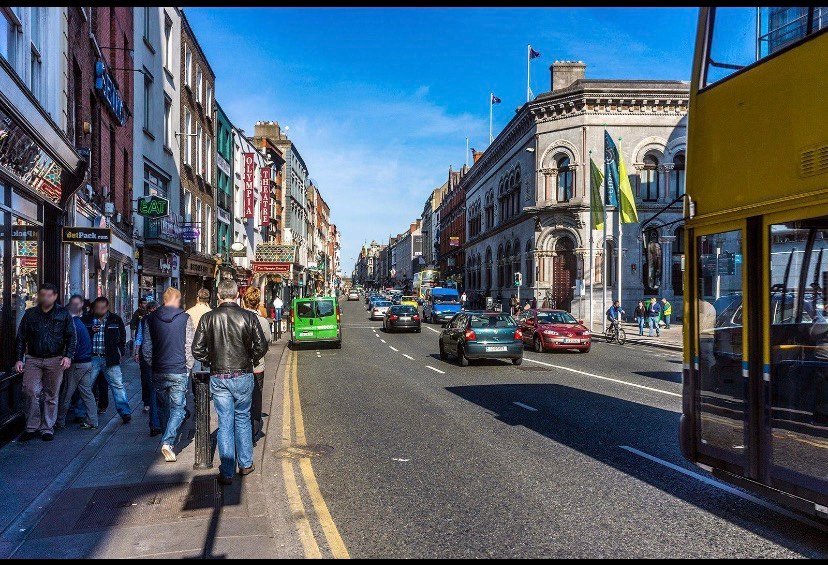
Dublin has long been associated with friendliness, conversation, music, storytelling, and a strong social culture. Ireland’s capital offers an atmosphere that can feel immediately approachable to international visitors. For travelers who value human interaction and enjoy meeting people while exploring a city, Dublin is particularly attractive. The city’s compact central area makes it relatively easy to explore on foot, while its neighborhoods provide a mixture of historic attractions, restaurants, cafés, pubs, parks, museums, and cultural venues.
One of Dublin’s greatest strengths is its social atmosphere. Traditional Irish pubs have historically served as community gathering places, and although visitors should avoid treating them simply as tourist attractions, they can provide opportunities to experience local music and conversation. Live traditional music remains an important part of Irish cultural life. Visitors may find themselves listening to musicians while enjoying an evening in a local venue, creating memories that are difficult to replicate through sightseeing alone.
Dublin also has a strong literary identity. The city has connections with internationally recognized writers and poets, and its cultural institutions reflect this heritage. Visitors interested in literature can explore museums, libraries, historic locations, and walking tours connected with Ireland’s literary tradition. The city’s storytelling culture adds another layer to the experience, because Irish culture has historically placed great value on conversation, humor, and the art of telling stories.
Language is an obvious advantage for many international visitors. Since English is the primary language used in everyday life, travelers from English-speaking countries can communicate easily, while visitors with limited English can generally find assistance in tourist areas. This reduces one of the common challenges associated with international travel and makes Dublin particularly approachable for first-time overseas travelers.
Dublin is also more than pubs and nightlife. The city contains historic buildings, museums, galleries, parks, and educational institutions. Trinity College and its historic library are among the city’s best-known attractions, while Dublin Castle and other historic sites provide insight into Ireland’s complex past. The city also offers green spaces where visitors can take a break from sightseeing.
Another advantage is Dublin’s position as a gateway to Ireland. Travelers can use the capital as a base for exploring other parts of the country, including coastal landscapes, historic towns, and scenic countryside. This makes Dublin a strong choice for visitors who want both urban experiences and access to nature.
Like any major tourist destination, Dublin has busy areas and tourist-focused establishments where prices can be higher. Travelers who venture beyond the most famous tourist streets can often discover quieter cafés, neighborhood restaurants, independent shops, and local cultural spaces. The city’s welcoming character is best experienced by slowing down, talking with people respectfully, and exploring beyond the obvious attractions.
For 2026 travelers seeking a destination where social interaction is an important part of the travel experience, Dublin remains an excellent choice. Its combination of English-language accessibility, cultural heritage, entertainment, and famously sociable atmosphere gives it a distinctive place among welcoming cities around the world.
4. Melbourne, Australia
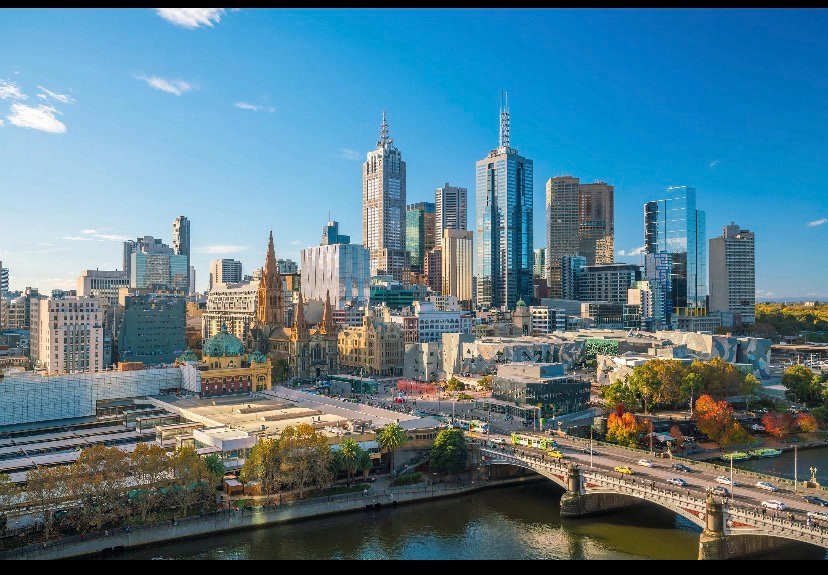
Melbourne is one of Australia’s most multicultural and culturally diverse cities, making it particularly attractive to international visitors. The city combines Australian friendliness with influences from communities around the world. This diversity is visible in its restaurants, festivals, neighborhoods, markets, arts scene, and everyday city life. Travelers arriving in Melbourne can experience a destination where different cultures exist side by side, creating a broad range of experiences for visitors.
One of Melbourne’s defining characteristics is its café culture. The city is famous for its coffee scene, and cafés are an important part of daily life. Exploring Melbourne’s cafés can be a simple but enjoyable way to experience the city’s relaxed social culture. Many cafés are located in attractive neighborhoods and laneways, making coffee breaks part of the sightseeing experience rather than simply a necessity between attractions.
Melbourne’s laneways are another distinctive feature. Some are filled with street art, independent stores, restaurants, bars, and creative spaces. The city’s street-art culture has become internationally recognized, and visitors can discover colorful murals and constantly changing artwork throughout central Melbourne. These laneways give the city a creative personality and encourage travelers to explore beyond major attractions.
Sport is another major part of Melbourne’s identity. The city hosts major sporting events and has passionate local sporting communities. Visitors interested in Australian sports can experience the atmosphere surrounding major matches and events. Even travelers who are not serious sports fans may appreciate the enthusiasm and community spirit surrounding them.
Melbourne’s multicultural character is especially visible through its food. Visitors can find cuisines from Asia, Europe, the Middle East, Africa, and many other regions. This makes the city particularly attractive to travelers who enjoy culinary exploration. Whether eating at a casual market stall, an independent restaurant, or a sophisticated dining venue, visitors have an enormous variety of choices.
The city’s public spaces also contribute to its welcoming character. Parks, gardens, waterfront areas, and pedestrian-friendly sections provide opportunities to relax between activities. The Yarra River runs through the city, while nearby areas offer opportunities for longer excursions. Travelers can combine urban sightseeing with day trips to surrounding regions and natural attractions.
Melbourne is also accustomed to international visitors and residents. Its multicultural population means that encountering different languages, cultures, and traditions is part of normal city life. For international travelers, this can make the destination feel less intimidating. Visitors may also find communities and restaurants connected to their own cultures, which can be especially helpful during longer stays.
The best way to experience Melbourne is to mix famous attractions with neighborhood exploration. Visit major landmarks, but also spend time in local cafés, markets, parks, and cultural districts. This creates a more authentic impression of the city and allows travelers to experience the everyday atmosphere that makes Melbourne special.
With its multicultural population, creative culture, café lifestyle, excellent food, sporting traditions, and relaxed atmosphere, Melbourne is a strong candidate for one of the world’s most welcoming cities in 2026.
5. Vancouver, Canada
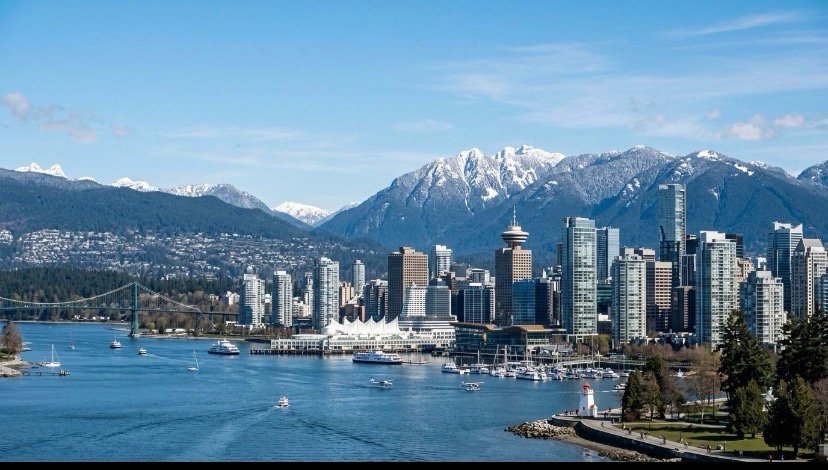
Vancouver provides a unique combination of urban comfort, multiculturalism, and spectacular natural scenery. Located on Canada’s Pacific coast, the city is surrounded by mountains, ocean, forests, and parks. This extraordinary setting immediately gives Vancouver a distinctive appeal, but its welcoming reputation also comes from its diverse population and international outlook.
Vancouver is one of Canada’s most multicultural cities. Visitors can experience a wide variety of cultural traditions, restaurants, festivals, and neighborhoods. This diversity means that international travelers are not unusual in the city. People from many different backgrounds live and work in Vancouver, creating an environment where cultural differences are generally a normal part of daily life.
One of the city’s biggest attractions is the ability to combine urban exploration with nature. A traveler can spend the morning exploring downtown, enjoy lunch at a restaurant representing another world cuisine, walk through Stanley Park in the afternoon, and finish the day beside the waterfront with views of the mountains. Few major cities provide such easy access to dramatic natural landscapes.
Stanley Park is one of Vancouver’s best-known attractions and offers walking and cycling paths, forests, beaches, and scenic viewpoints. The city’s waterfront areas also provide opportunities to enjoy views of the surrounding mountains and ocean. For travelers who enjoy outdoor activities, Vancouver can be an especially rewarding destination.
Food is another important part of the city’s international character. Asian cuisine is particularly influential, but travelers can find restaurants representing cultures from around the world. Markets and neighborhood dining areas provide opportunities to explore different flavors without needing to leave the city.
Vancouver is also attractive to travelers who enjoy active holidays. Hiking, cycling, kayaking, skiing, and other outdoor activities are accessible in and around the region depending on the season. During winter, nearby mountain areas become popular destinations for snow sports, while warmer months provide excellent conditions for walking, cycling, and exploring the coastline.
The city’s welcoming nature does not mean that visitors should expect every interaction to be identical. Vancouver is a large metropolitan area, and experiences can vary between neighborhoods and situations. However, its multicultural environment, international population, high-quality infrastructure, and strong connection to nature make it an appealing destination for visitors from many parts of the world.
For travelers who want a city that combines modern urban life with outdoor adventure, Vancouver is difficult to overlook. Its scenic beauty provides the backdrop, while its diverse communities, food culture, parks, and international atmosphere create a welcoming experience for visitors.
Why Welcoming Cities Matter in 2026
The meaning of a welcoming city has changed as international travel has evolved. In the past, travelers often judged destinations primarily by famous attractions, hotel quality, or affordability. Today, visitors increasingly consider the complete experience. They want destinations where they can communicate easily, feel comfortable exploring, experience authentic culture, and interact respectfully with local communities.
Technology has also changed the way people travel. Smartphones make navigation and translation easier, but technology cannot completely replace human interaction. A friendly local recommendation, a helpful conversation, or a genuine cultural exchange can become one of the most memorable parts of a trip. This is why hospitality remains such an important quality in destination selection.
Sustainable and responsible tourism is another growing consideration. The most welcoming destinations are not simply places that welcome tourists; they are places where tourism can coexist with local communities. Travelers in 2026 are increasingly aware that their behavior affects residents, historic areas, natural environments, and local businesses. Respecting local customs, supporting independent businesses, avoiding excessive waste, and behaving responsibly in residential areas are important ways visitors can contribute to a positive tourism environment.
Each city on this list offers a different definition of hospitality. Lisbon provides relaxed European charm and a strong café and neighborhood culture. Kyoto demonstrates hospitality through traditional courtesy, respect, and exceptional service. Dublin offers a sociable environment built around conversation, music, and storytelling. Melbourne combines friendliness with multiculturalism, creativity, food, and café culture. Vancouver brings together multicultural urban life with some of the world’s most impressive natural surroundings.
Final Thoughts
Choosing the world’s most welcoming cities is not an exact science because hospitality can be experienced differently by every traveler. A solo backpacker may value friendly conversations, while a family may prioritize safety and convenience. A digital nomad might care about connectivity and multicultural communities, while a culture enthusiast may value traditional customs and local interaction. Nevertheless, cities that consistently make visitors feel comfortable, respected, and curious deserve special recognition.
In 2026, Lisbon, Kyoto, Dublin, Melbourne, and Vancouver stand out as five destinations worth considering for travelers who place hospitality high on their travel list. Each city offers something different, but all provide opportunities to go beyond simply checking attractions off a list. The most rewarding travel experiences often happen when visitors slow down, explore local neighborhoods, try regional food, respect local traditions, and interact with the people who make a city what it is.
Ultimately, the most welcoming city may not be the one with the biggest attractions or the most famous skyline. It may be the place where a traveler feels comfortable enough to wander, curious enough to explore, and connected enough to leave with memories that last long after the journey ends. For anyone planning an international trip in 2026, these five cities offer an excellent starting point for discovering destinations where culture, community, hospitality, and unforgettable experiences come together.