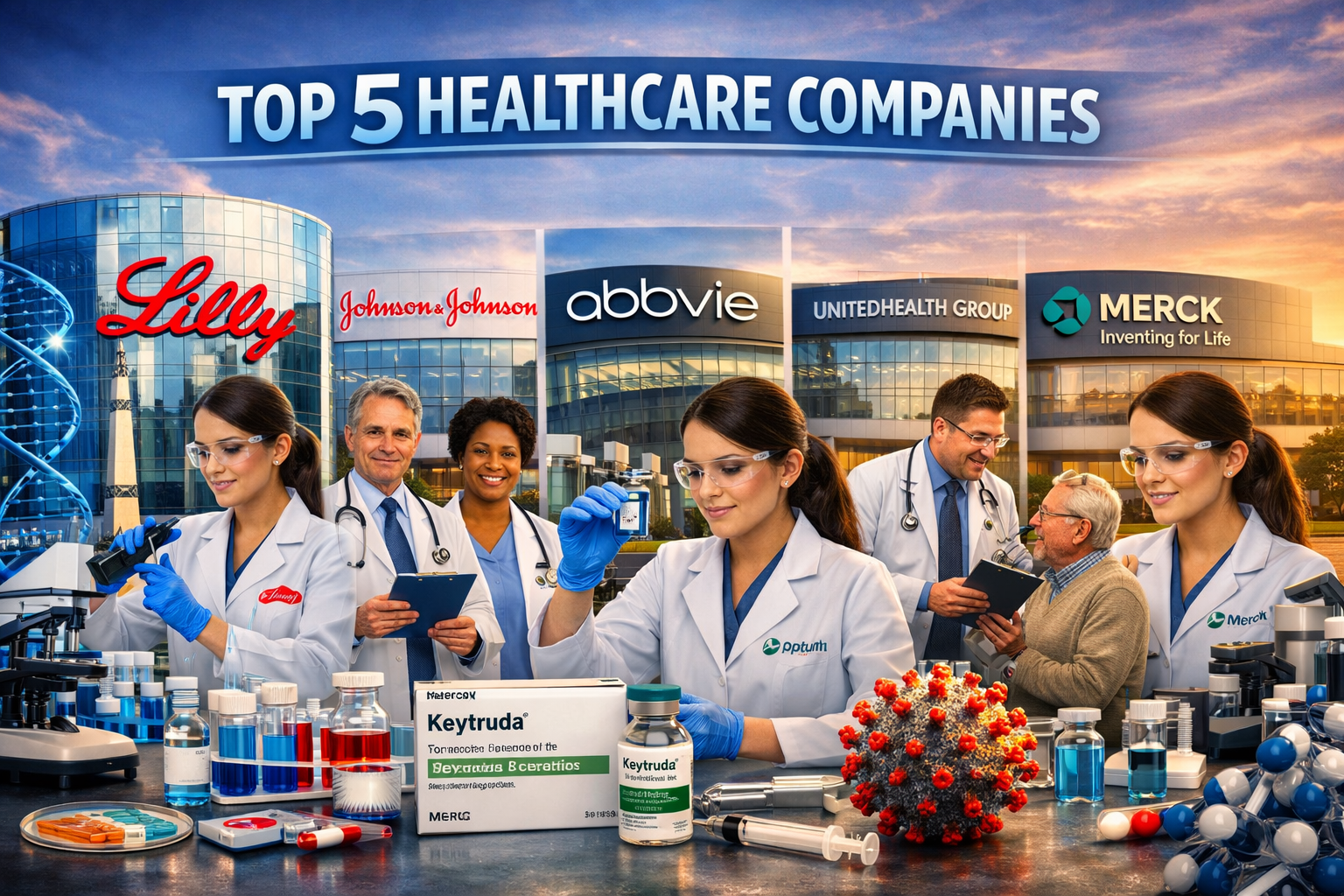
Healthcare continues to be one of the most influential industries worldwide, shaping lives through innovation, accessibility, and patient care. In 2026, five companies stand out as leaders: Eli Lilly, Johnson & Johnson, AbbVie, UnitedHealth Group, and Merck & Co. Each plays a unique role in advancing global health.
1. Eli Lilly and Company
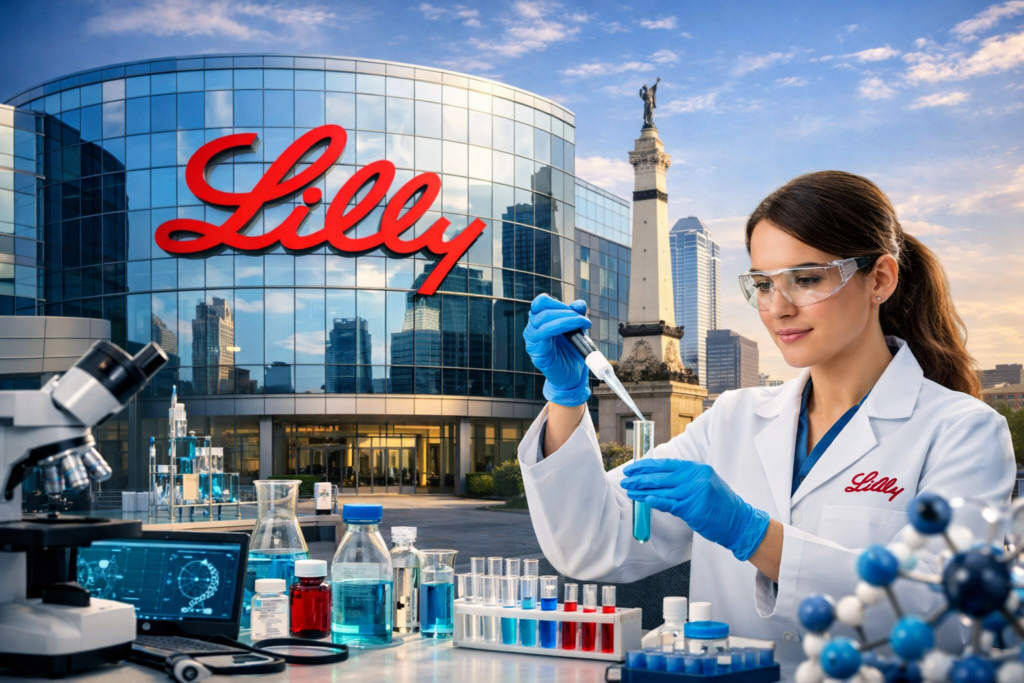
Eli Lilly has become the world’s most valuable healthcare company, crossing the trillion‑dollar mark in market capitalization. Headquartered in Indianapolis, it is renowned for its groundbreaking work in diabetes, oncology, and neuroscience. The company’s recent success with obesity and metabolic disorder treatments has transformed patient care and fueled massive growth. Beyond its blockbuster drugs, Eli Lilly is investing heavily in artificial intelligence to accelerate drug discovery and personalized medicine. By combining cutting‑edge science with patient‑centric innovation, Eli Lilly sets new standards for chronic disease management and biotech advancement, making it the most influential healthcare company globally.
2. Johnson & Johnson

Johnson & Johnson remains one of the most diversified healthcare companies in the world, with a market cap exceeding $565 billion. Based in New Brunswick, New Jersey, J&J operates across pharmaceuticals, medical devices, and consumer health products. Its pharmaceutical division produces life‑saving oncology and immunology drugs, while its medical devices division leads in orthopedics and cardiovascular care. Meanwhile, its consumer health arm, with trusted brands like Band‑Aid and Tylenol, ensures a presence in households worldwide. This diversification makes Johnson & Johnson resilient and indispensable, serving millions of patients daily and reinforcing its role as a global healthcare pillar.
3. AbbVie Inc.
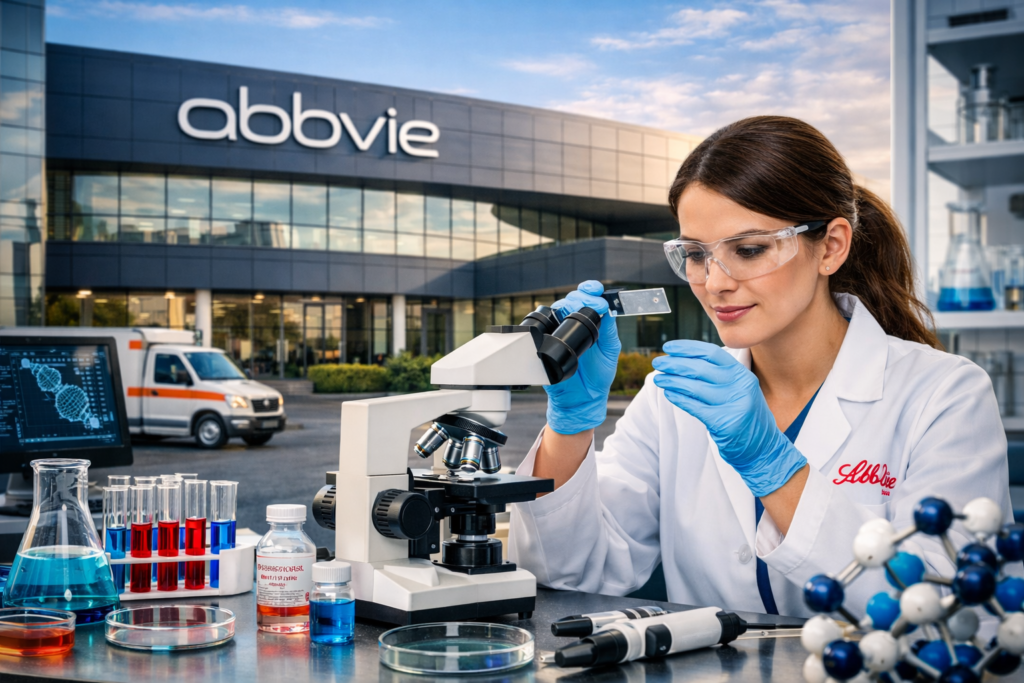
AbbVie, headquartered in Illinois, commands a market cap of around $381 billion and is recognized as a biopharmaceutical leader. The company rose to prominence with Humira, one of the world’s best‑selling drugs, and has since expanded into immunology, oncology, and neuroscience. AbbVie’s focus on biologics and specialty medicines allows it to tackle complex diseases that traditional pharmaceuticals often cannot address. Its pipeline includes promising therapies for autoimmune disorders and cancer, ensuring long‑term growth and relevance. AbbVie’s commitment to research and development, coupled with strategic acquisitions, has solidified its position as a cornerstone of modern biopharma. For patients battling chronic and life‑threatening conditions, AbbVie represents hope and innovation.
4. UnitedHealth Group

UnitedHealth Group, with a market cap of approximately $352 billion, is the largest health insurance provider in the world. Headquartered in Minnesota, UnitedHealth operates through two main divisions: UnitedHealthcare, which offers insurance plans to millions of individuals and employers, and Optum, a data‑driven health services arm. Optum leverages analytics, pharmacy benefits, and care delivery to improve efficiency and reduce costs across the healthcare system. Unlike pharmaceutical companies, UnitedHealth’s impact lies in accessibility—making healthcare affordable and available to diverse populations. By integrating technology with insurance and care services, UnitedHealth bridges the gap between patients and providers, ensuring that healthcare is not just innovative but also inclusive.
5. Merck & Co., Inc.
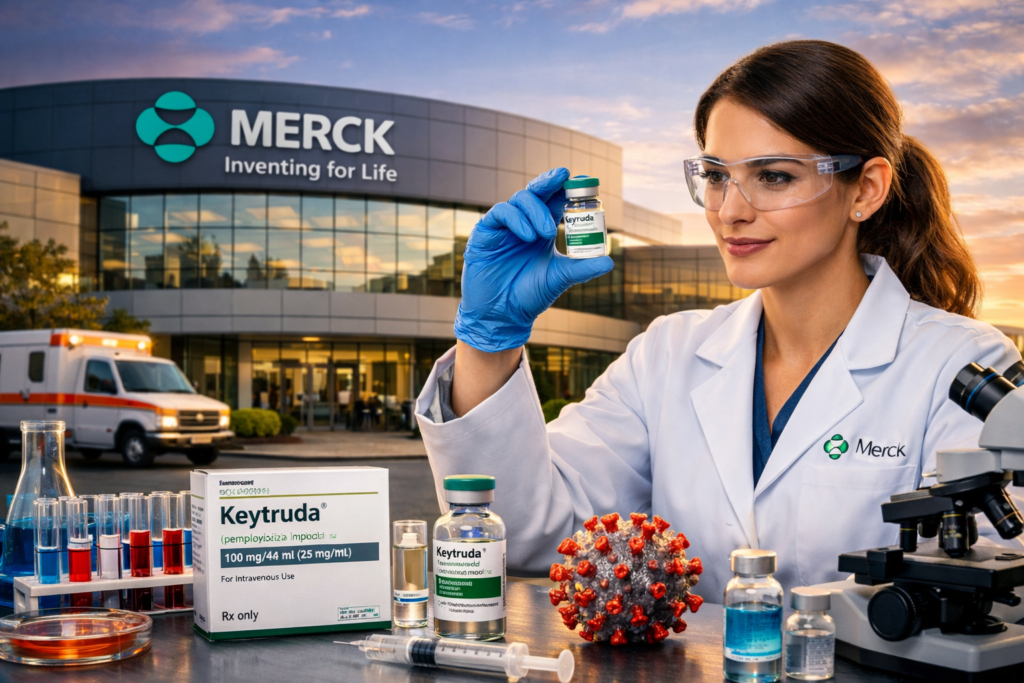
Merck & Co., headquartered in New Jersey, holds a market cap of around $302 billion and is a global leader in pharmaceuticals and vaccines. Its flagship product, Keytruda, has transformed cancer treatment through immunotherapy, offering new hope to patients worldwide. Merck also plays a critical role in combating infectious diseases, with a strong portfolio of vaccines addressing conditions like HPV and measles. The company’s pipeline extends into cardiovascular and rare diseases, ensuring a broad impact across multiple therapeutic areas. Merck’s dedication to life‑saving therapies and preventive medicine makes it a vital player in both developed and emerging markets. By focusing on innovation and accessibility, Merck continues to shape the future of global health.